


Newsletters
Copies of past newsletters (bilingual English/Spanish) can be viewed or downloaded here.
Puede consultar o descargar copias de boletines informativos anteriores (en inglés y español) aquí.
2026
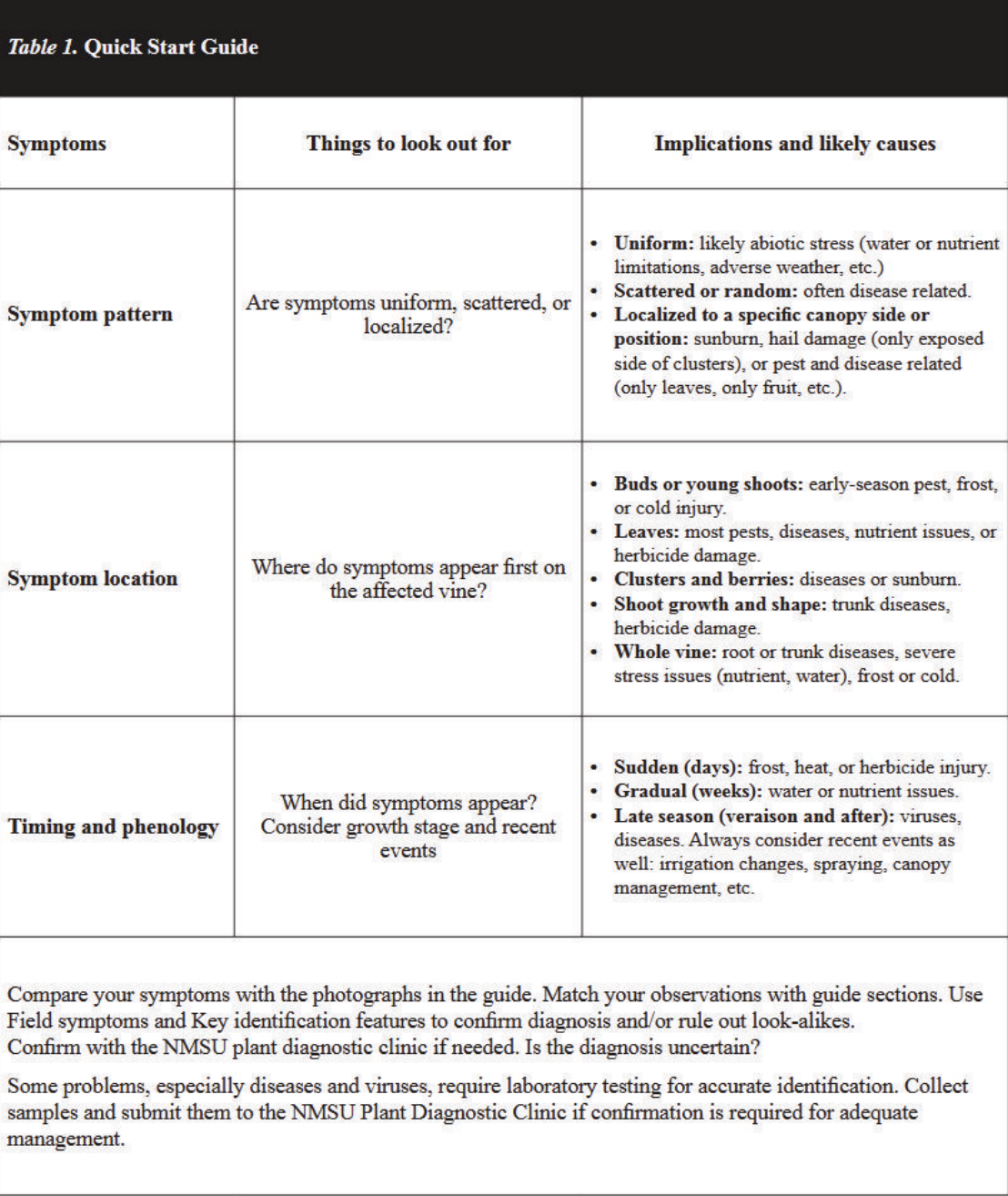
Recognizing Grapevine Diseases: A New Field Guide for New Mexico
This newsletter announces a new NMSU field guide for identifying common grapevine diseases, including fungal pathogens, disease complexes, and viruses. The guide uses photographs and symptom descriptions to help growers recognize potential vineyard problems.
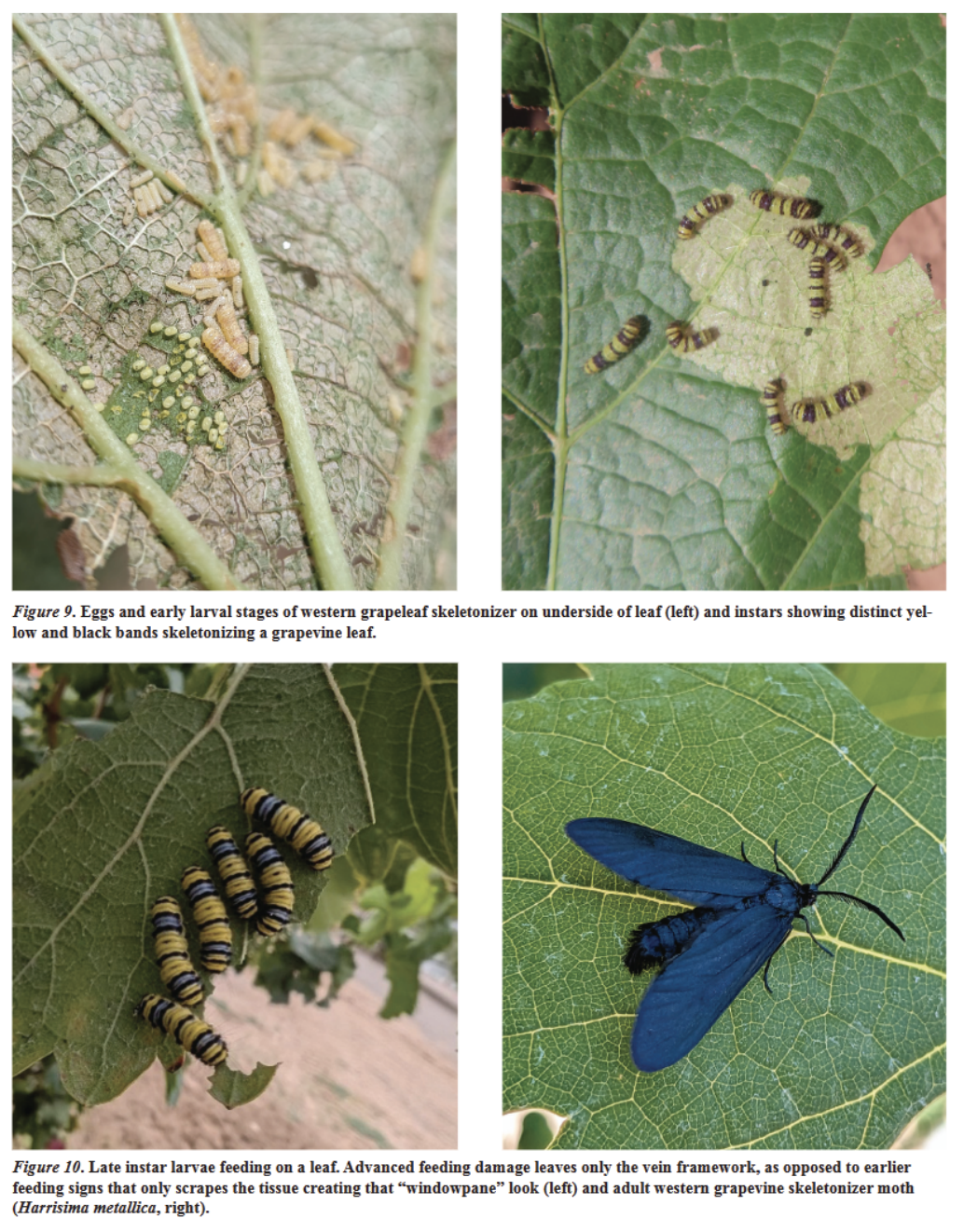
Know Your Vineyard Pests: Identification and Management
NMSU introduces a new field guide to help grape growers identify common vineyard pests, including leafhoppers, western grapeleaf skeletonizers, and flea beetles. The newsletter also discusses post-harvest vineyard management and winery practices.
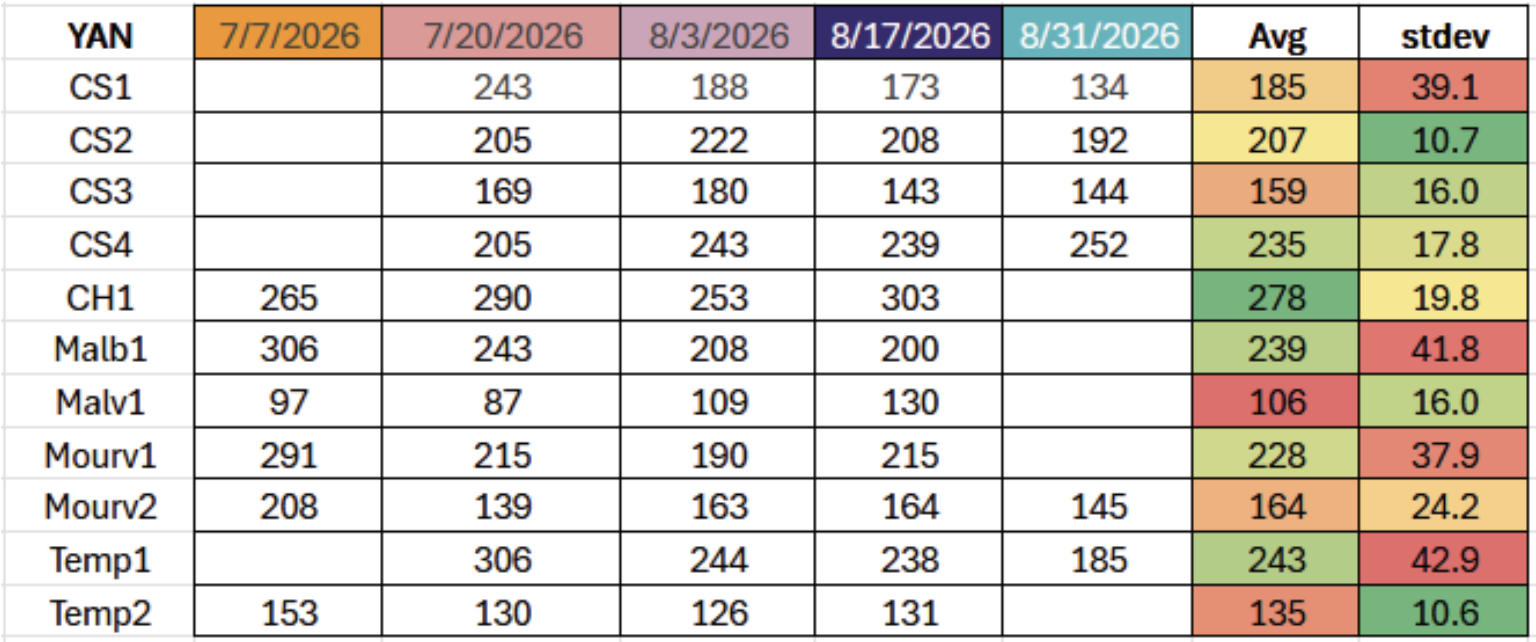
What We Learned from the 2026 Grape Harvest
The 2026 harvest sampling report examines grape ripening trends across New Mexico, including acidity retention, sugar accumulation, berry weight changes, yeast assimilable nitrogen (YAN), and calcium levels. Results provide insights into varietal differences and the influence of weather on fruit development.
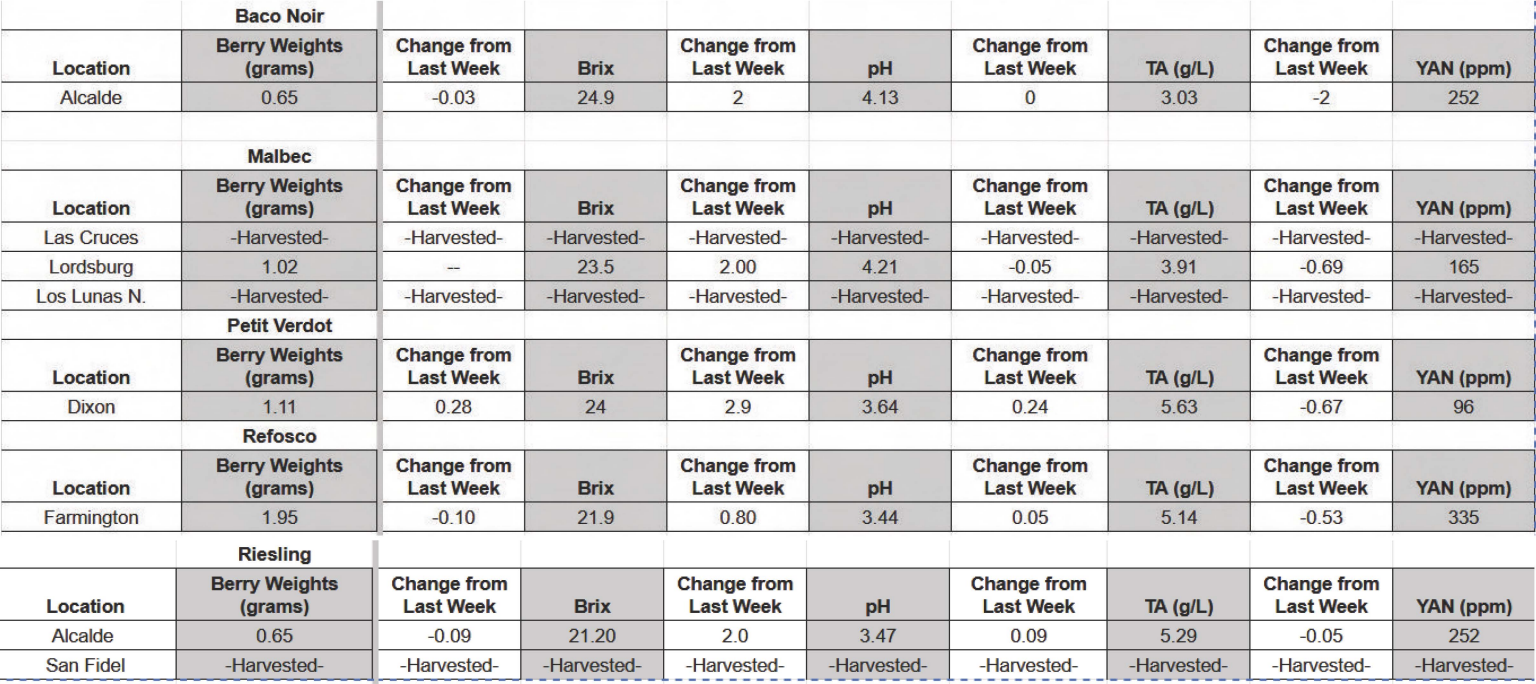
2026 Harvest Sampling: A Season in Review
The 2026 harvest sampling season concludes with 38 grape samples monitored across New Mexico, up from 11 in 2025. This issue shares final ripening measurements and previews a forthcoming report examining trends across 11 weeks of sampling.
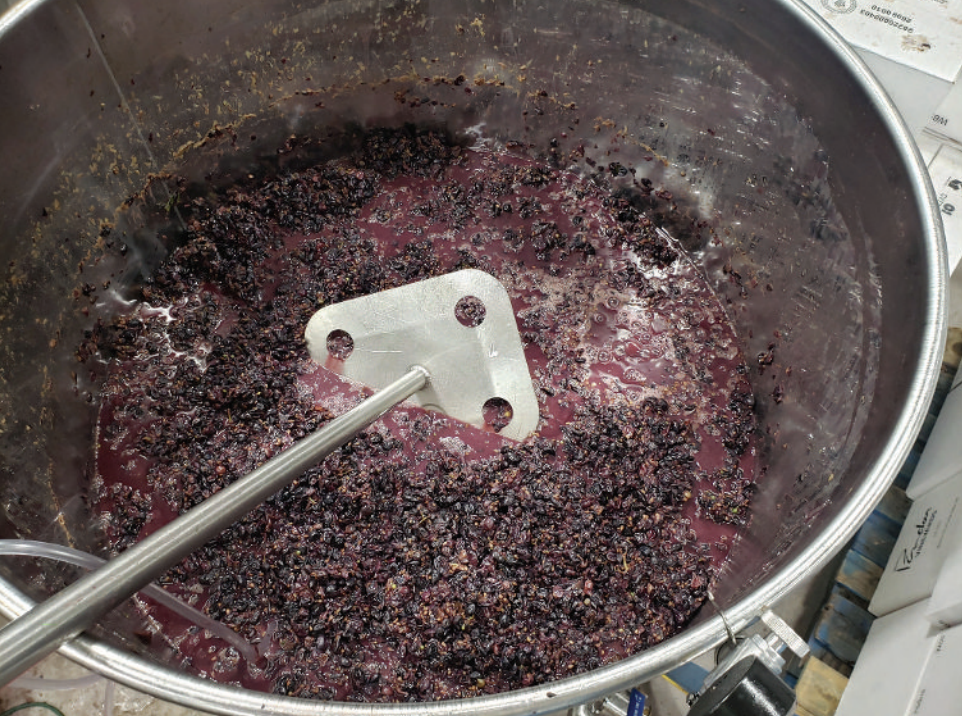
Heat, Acidity, and the Challenges of Grape Ripening
As the sampling season winds down, the program reflects on analyzing 38 samples representing 17 cultivars from 12 towns. This issue also explores an experiment using glucose oxidase to acidify grape juice and discusses the effects of extreme heat on grape ripening.
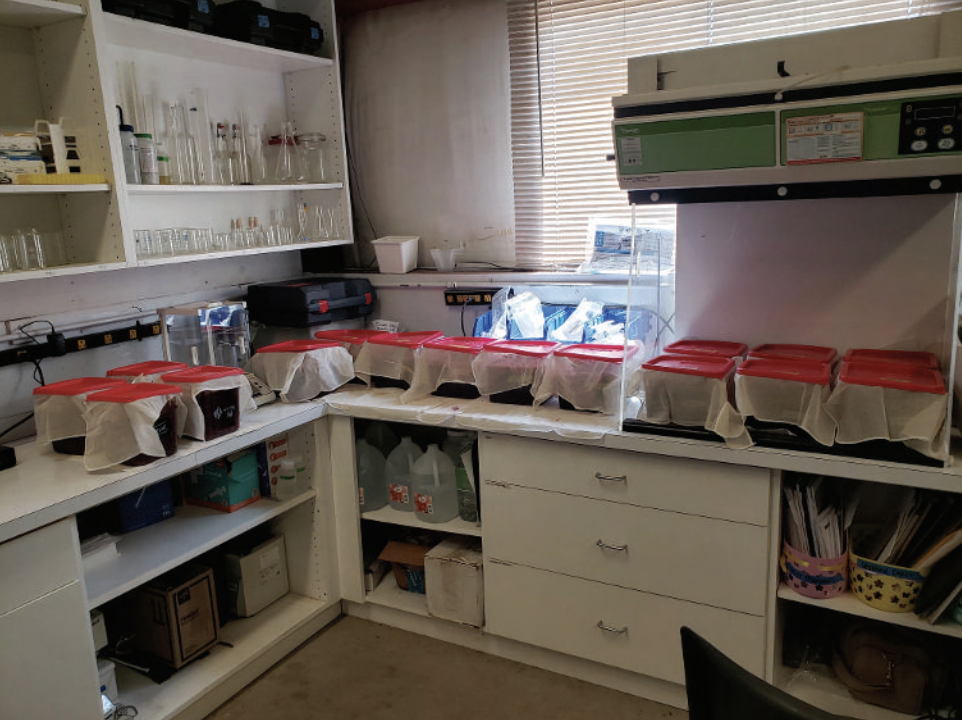
What Happens to Grape Chemistry as Harvest Ends?
In-person berry collection wraps up in southern New Mexico, with northern samples continuing by mail. The newsletter previews future analysis of sugar accumulation, acidity, regional ripening differences and juice calcium, alongside a laboratory experiment with Chambourcin grapes.
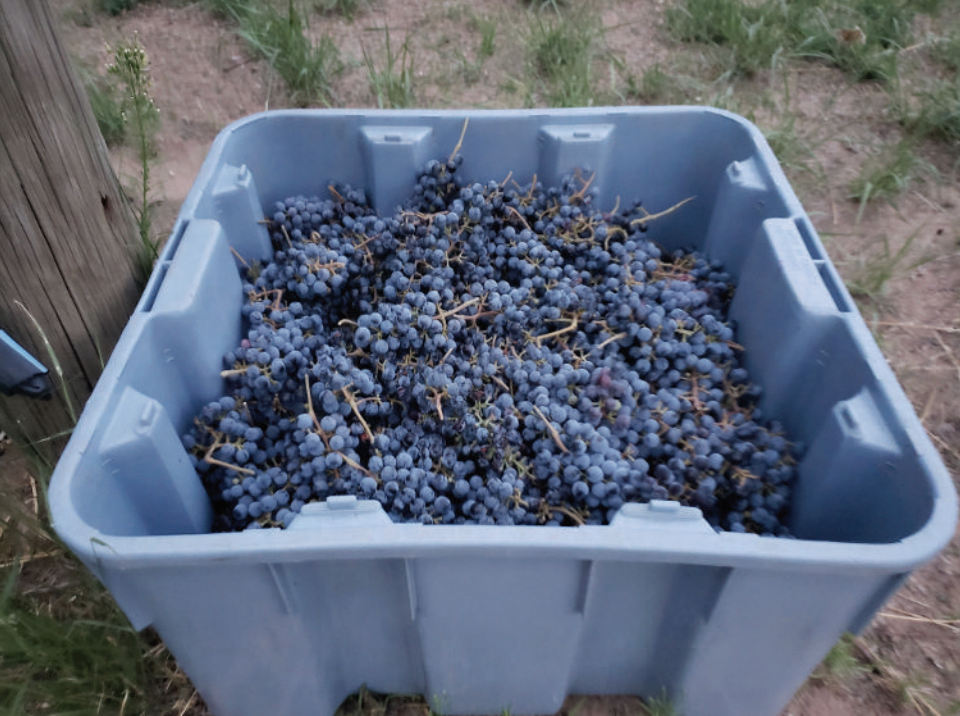
Harvest in Full Swing: Grapes, Timing, and Winery Challenges
The sampling program reaches 38 total grape samples, with 13 already harvested. This issue covers the compressed harvest season, the challenges it creates for wineries and a look at Norton grapes harvested in Los Lunas.
When Is the Right Time to Harvest? Understanding Grape pH
With five samples harvested and more approaching maturity, this issue examines how rising grape pH and practical winery logistics influence harvest timing. Updated statewide measurements track sugar, acidity and other indicators of ripeness.

Tracking Grape Maturity from North to South
The first northern New Mexico grape samples arrive for testing, expanding the statewide picture of ripening. This issue highlights week-to-week differences in sugar accumulation and acidity loss, illustrating why choosing the right harvest date can be difficult.
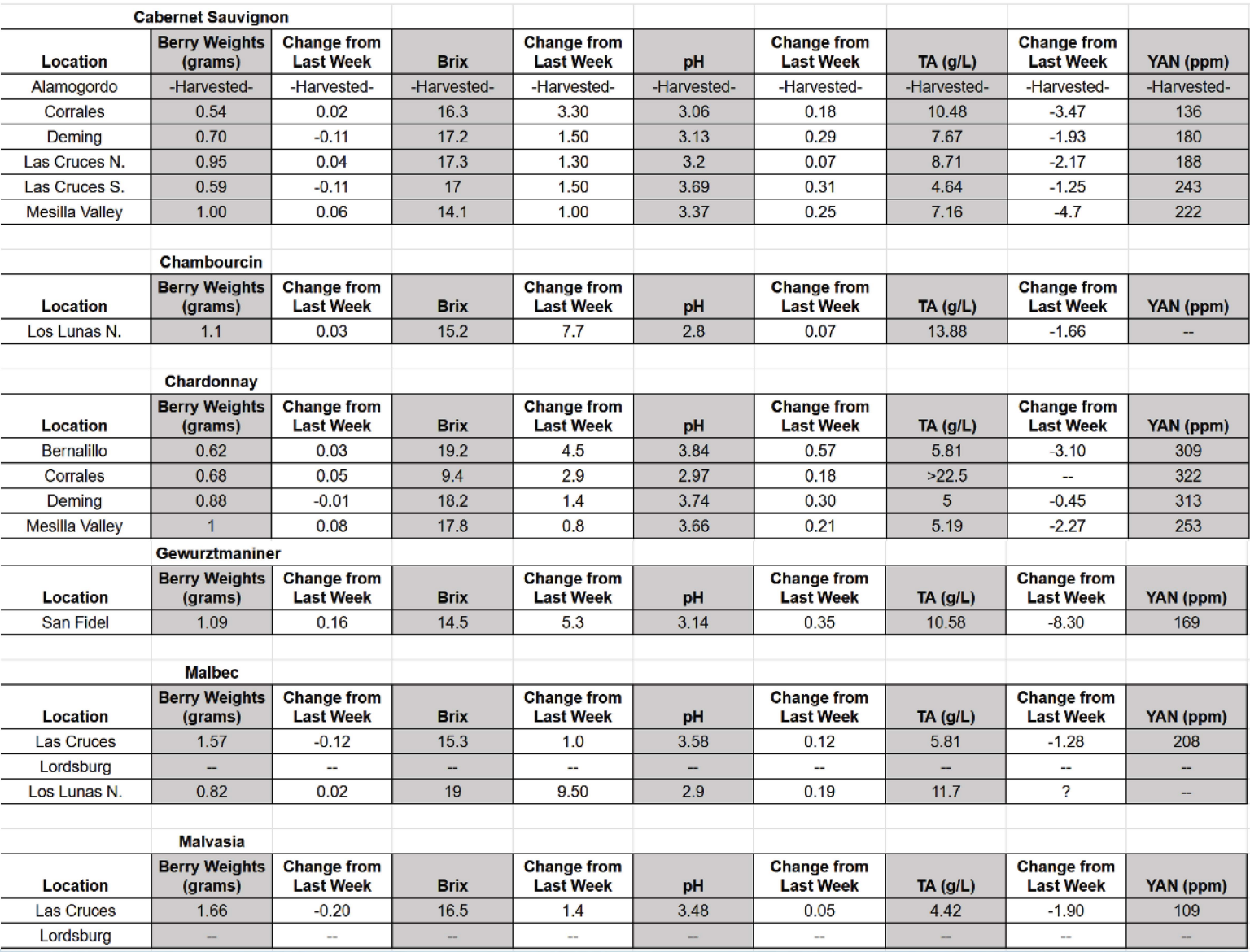
Harvest Begins: How Ripening Differs Across New Mexico
Harvest begins in southern New Mexico while many northern vineyards are still experiencing veraison. This issue compares regional changes in sugar accumulation and acidity, highlighting how harvest timing can influence grape composition and winemaking decisions.
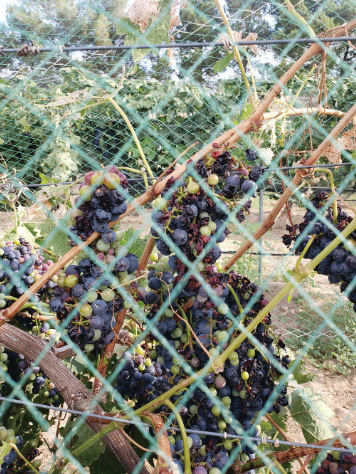
Measuring Grape Ripeness Across New Mexico Vineyards
The harvest sampling program expands to 31 samples with the addition of Corrales, San Fidel, and Riesling grapes. This issue compares ripening trends across southern and central New Mexico, including changes in Brix, pH, and titratable acidity.
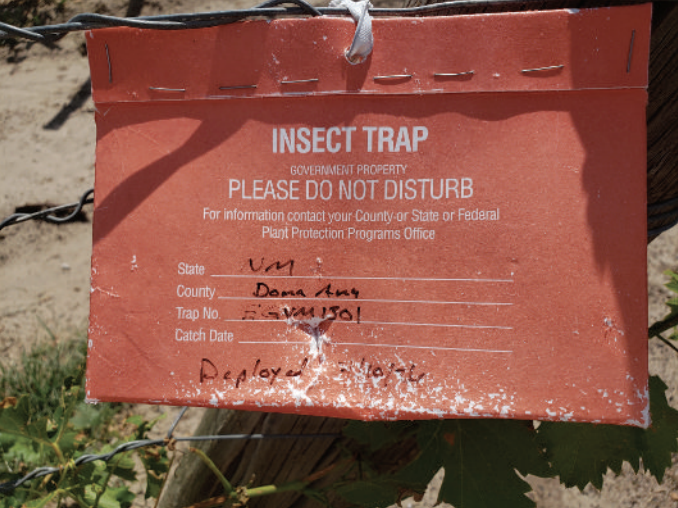
More Than Sugar: Understanding Brix and Grape Acidity
The sampling program reaches 27 samples, including new vineyards in the Los Lunas area. This issue examines changes in grape sugar accumulation and acidity, explains the limitations of Brix measurements, and shares updated harvest data.
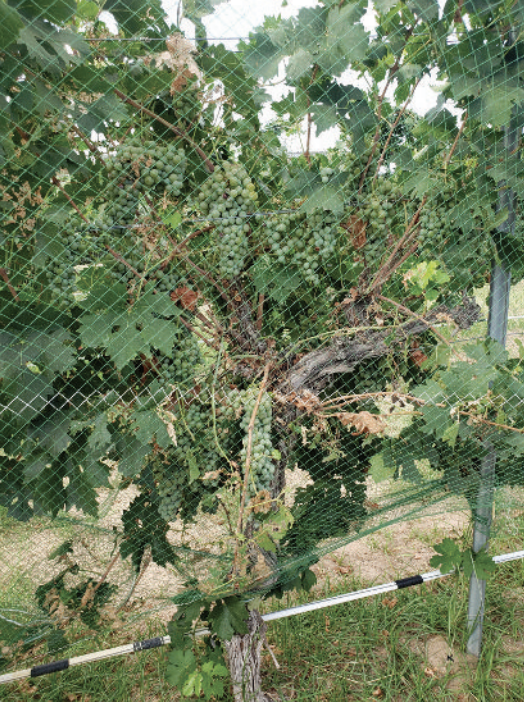
Early Ripening Trends and Emerging Vineyard Pest Concerns
The sampling program grows from 15 to 22 samples, including the first vineyards from central New Mexico. This issue highlights early ripening trends, increasing sugar concentrations, and vineyard concerns such as Western Grapeleaf Skeletonizer damage.
From Vineyard to Lab: 2026 Harvest Sampling Begins
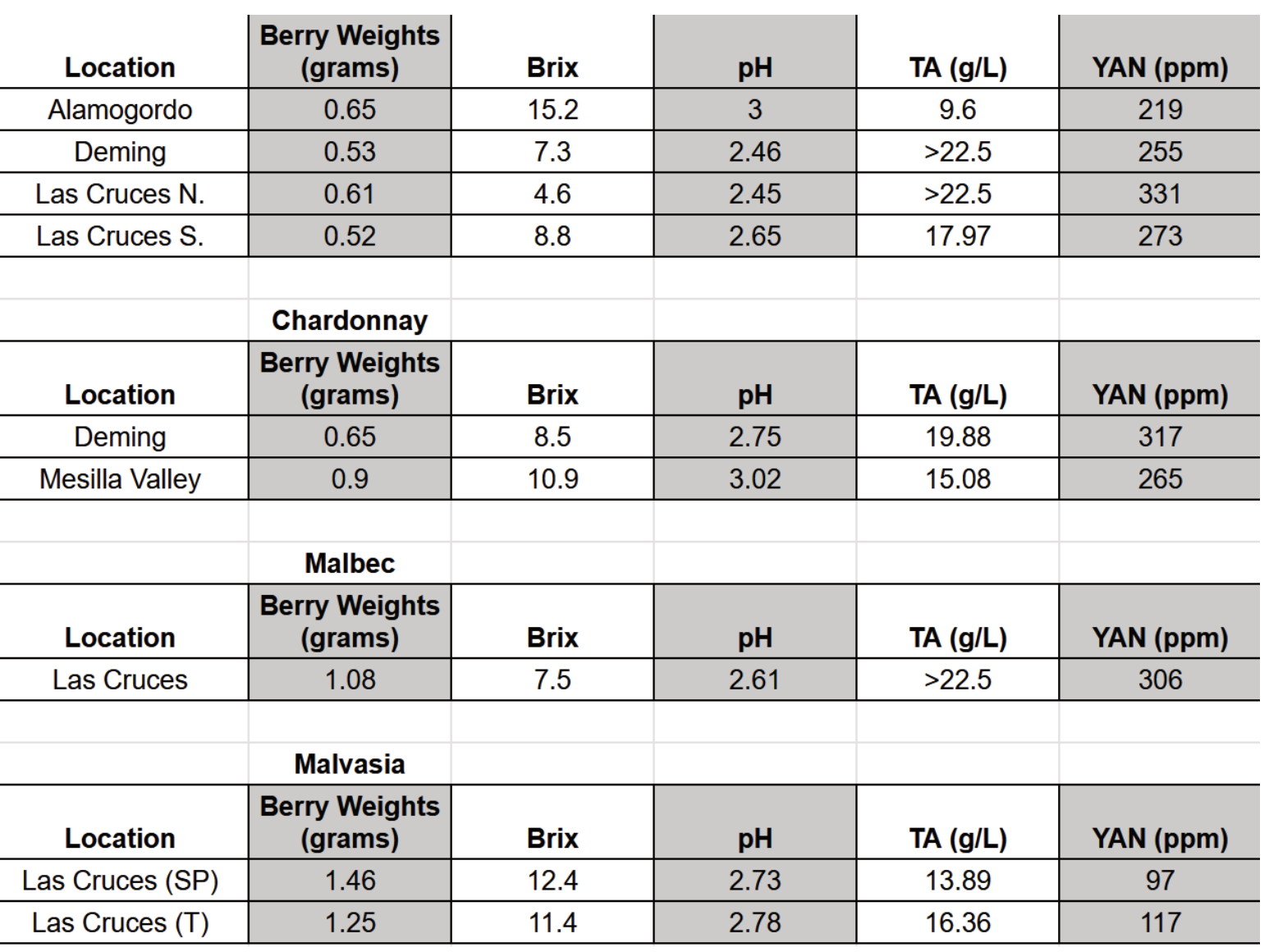
The 2026 New Mexico grape harvest sampling project begins with 15 samples, with plans to expand monitoring as vineyards progress through veraison. This issue introduces the weekly measurements used to track grape maturity and support harvest and winemaking decisions.

New Insights in Viticulture and Enology from ASEV 2026
This issue shares viticulture and enology research insights from the American Society for Enology and Viticulture conference in Idaho. Topics include grapevine nutrient testing, interpreting tissue analyses, and approaches to wine microbial management.
Tracking the 2026 Grape Harvest Across New Mexico
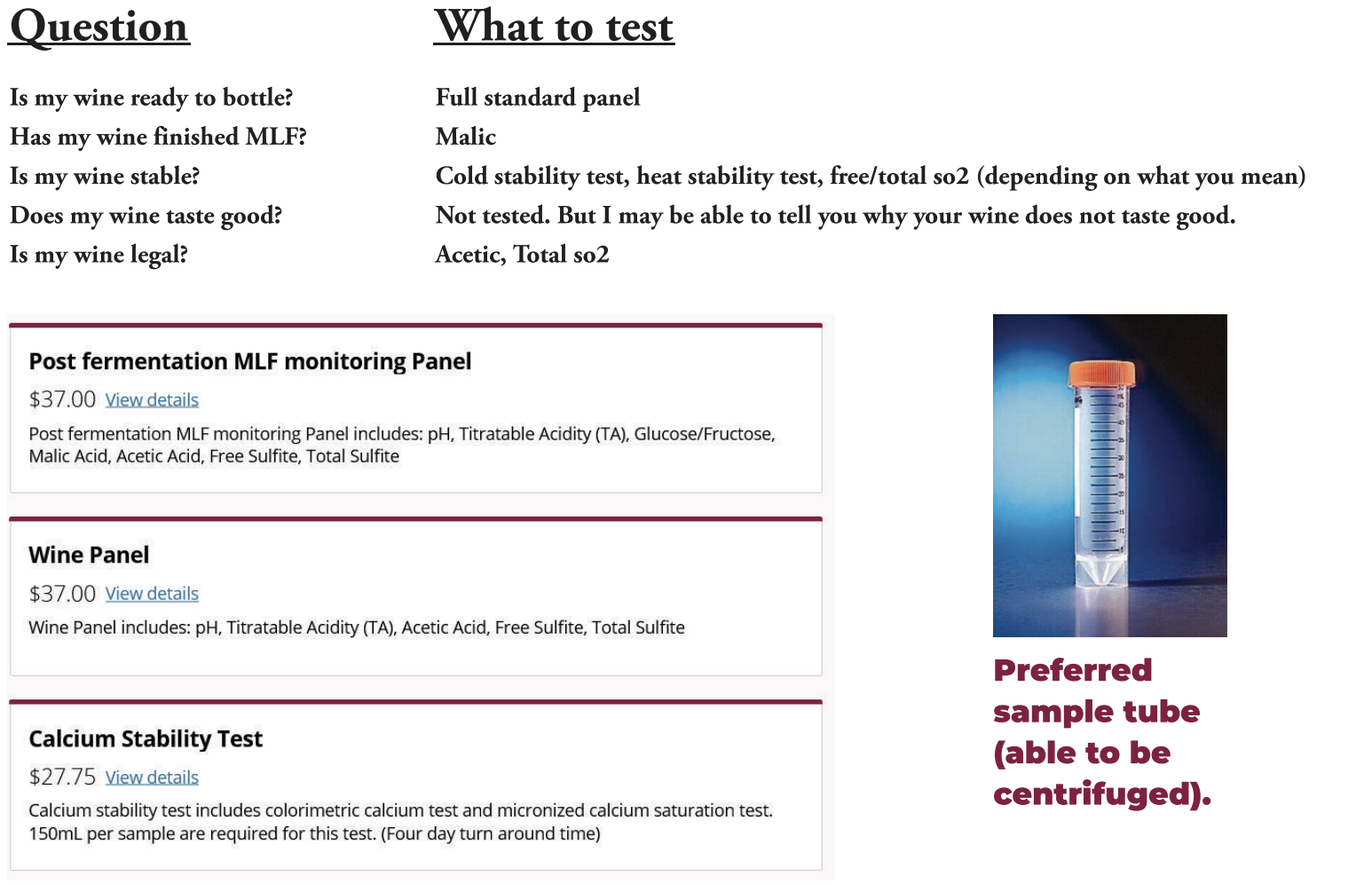
NMSU invites growers to participate in an expanded statewide grape harvest sampling project. The program tracks berry weight, Brix, pH, titratable acidity, and yeast assimilable nitrogen to provide timely ripening information and build a historical dataset.

Exploring New Mexico Vineyards with Dr. Markus Keller
The newsletter announces a visit by Washington State University viticulturist Dr. Markus Keller, including vineyard visits and opportunities for growers to participate in discussions. Stops include the Las Cruces area, Lordsburg, Deming, and nearby vineyards.
After the Frost: Assessing Grapevine Damage and Recovery
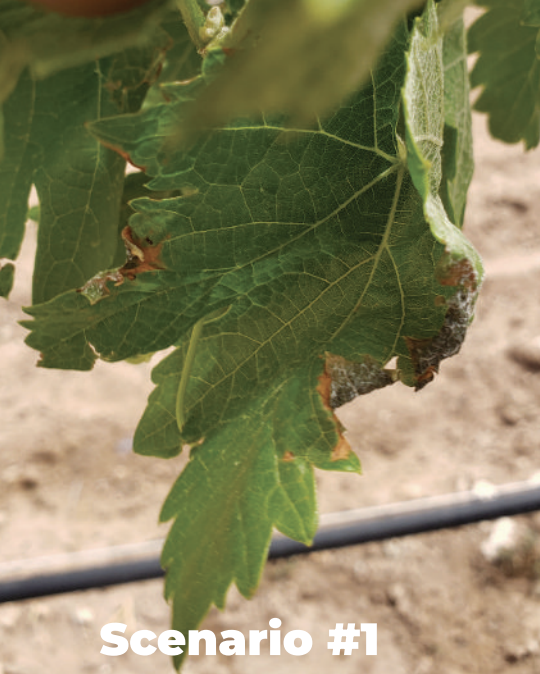
Following mid-April frost events in central and northern New Mexico, this issue reviews observed temperatures and the variable nature of grapevine frost injury. It discusses how damage and recovery may depend on vine development and growing conditions.
Growing Season Priorities: Vineyard Education and Wine Testing
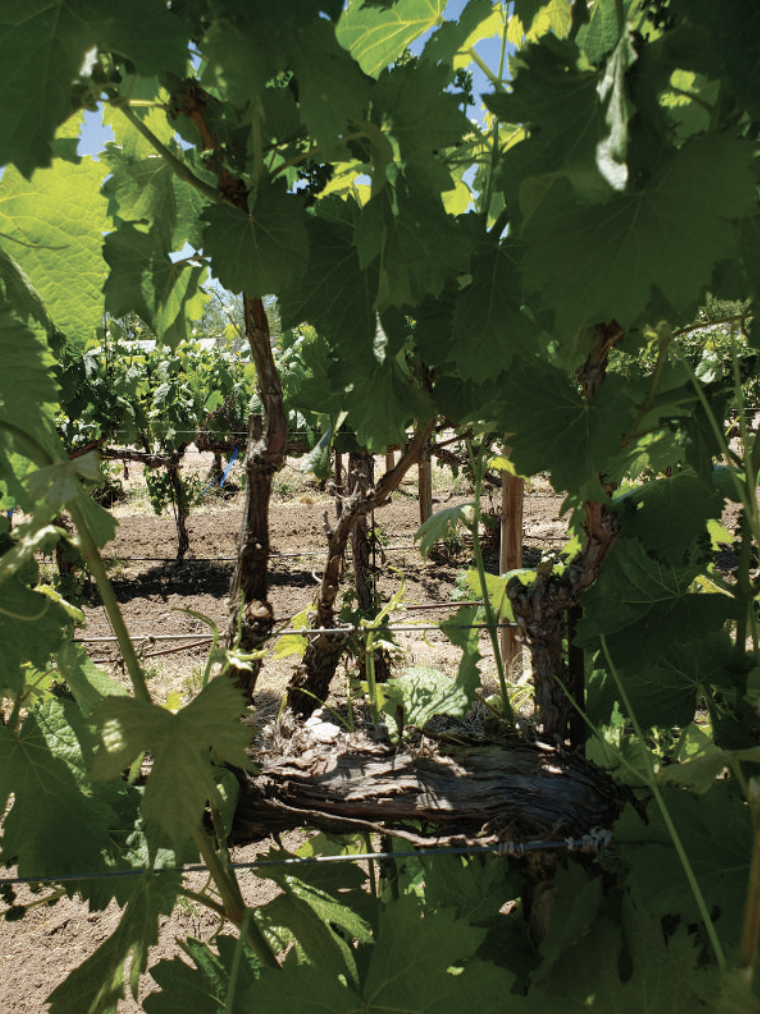
A proposed schedule of regional meetings covers bloom, irrigation, nutrition, fruit sampling, and integrated pest management. The newsletter also announces revised pricing for NMSU wine laboratory testing services.

Bringing New Mexico Growers Together for the 2026 Season
NMSU invites growers and winemakers to help shape regional meetings for the 2026 growing season. The issue reviews previous vineyard visits and seeks feedback on meeting formats and potential locations.
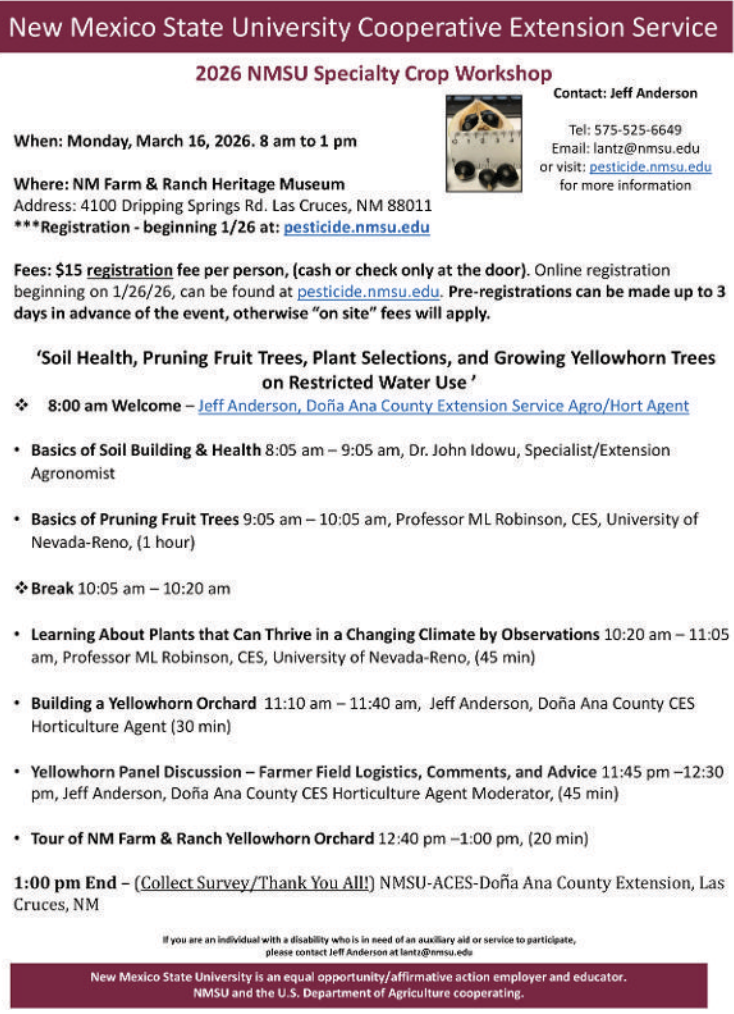
Connecting Growers and Winemakers Through Education
Final conference information includes event logistics, student registration, presentation availability, and visitor parking instructions. The newsletter also highlights upcoming educational opportunities for the grape and wine industry.

Pruning, Propagation, and Learning Opportunities for Growers
This issue provides dates and details for February grapevine propagation and pruning workshops, along with the New Mexico Wine and Grape Education Conference. It highlights opportunities for growers and winemakers to learn and connect.
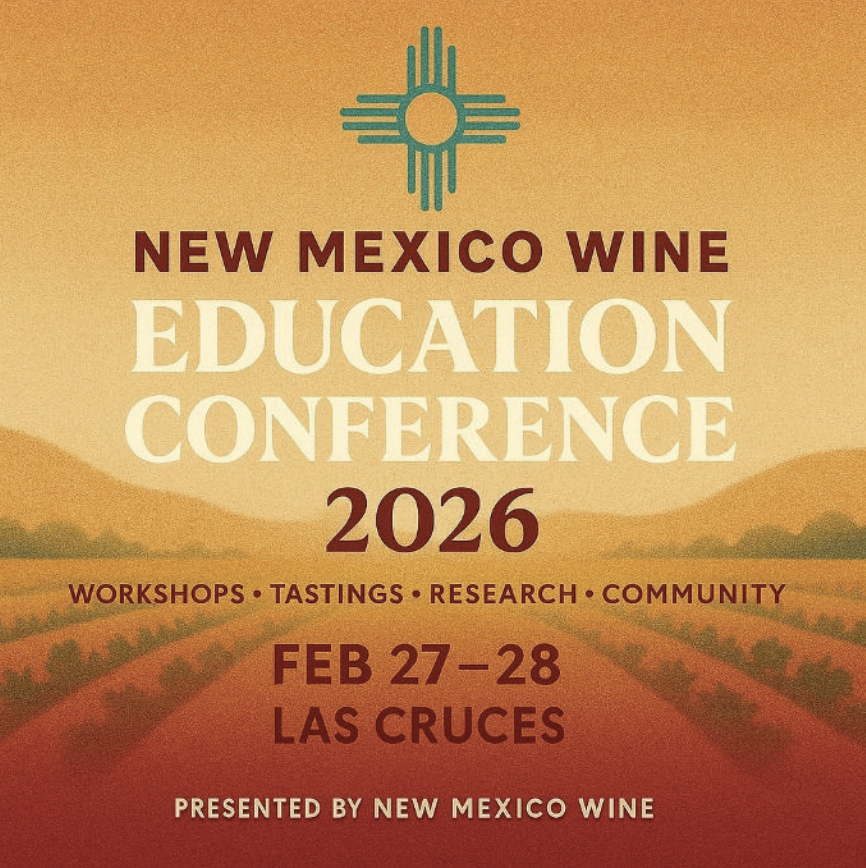
What's Ahead at the 2026 New Mexico Wine Education Conference
The newsletter announces the February 27–28 New Mexico Wine Education Conference at NMSU and previews planned presentations. Topics include vineyard weed management, marketing, regenerative agriculture, biofungicides, and sparkling wine production.
2025
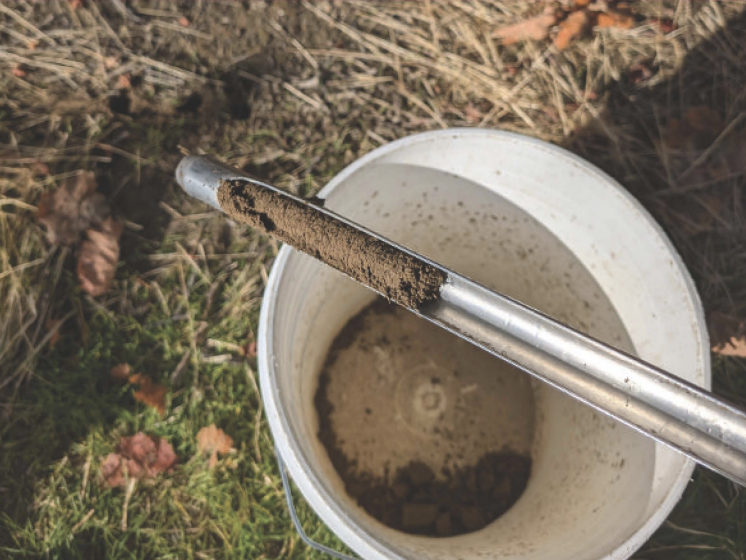
Unsold Grapes and Wine Stability: Lessons from the 2025 Harvest
The program launches an anonymous survey to better understand unsold grapes following the 2025 harvest. This issue also discusses protein and heat stability in wine, including methods used to evaluate potential haze.

Understanding Wine Chemistry After Fermentation
An overview of submitted wine samples examines pH, titratable acidity, sulfur dioxide, and acetic acid. The issue also offers post-fermentation guidance on wine stability, sulfur dioxide monitoring, and malolactic fermentation.
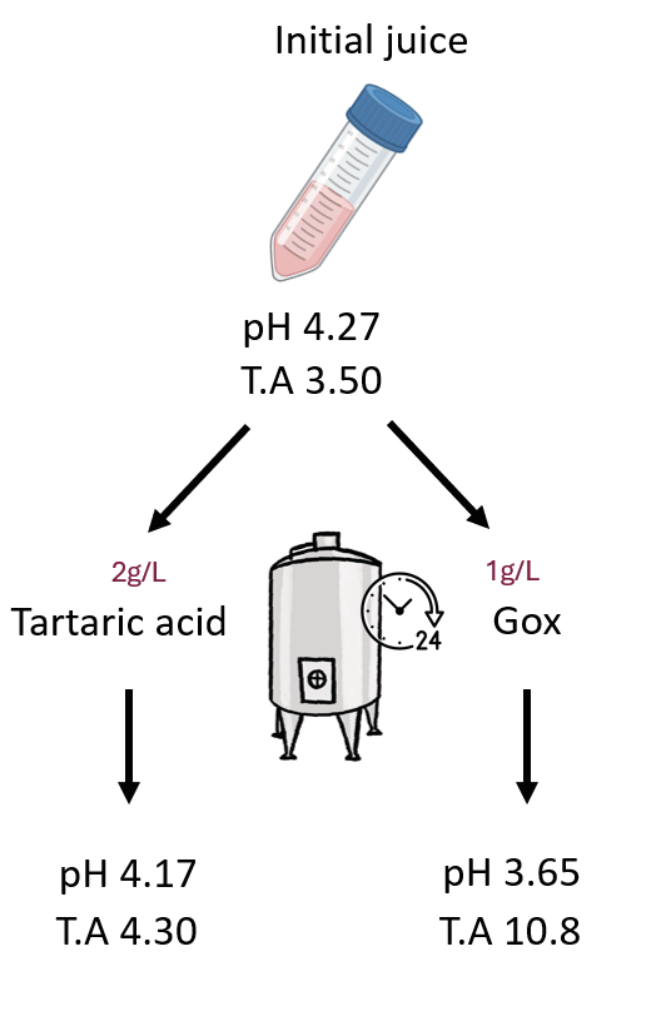
Can Enzymes Improve Wine Acidity? Early Trial Results
Preliminary winery trials explore using glucose oxidase and catalase to improve the acidity of high-pH wine. The issue presents early results and outlines questions about treatment duration, oxygen supply, and practical winery applications.
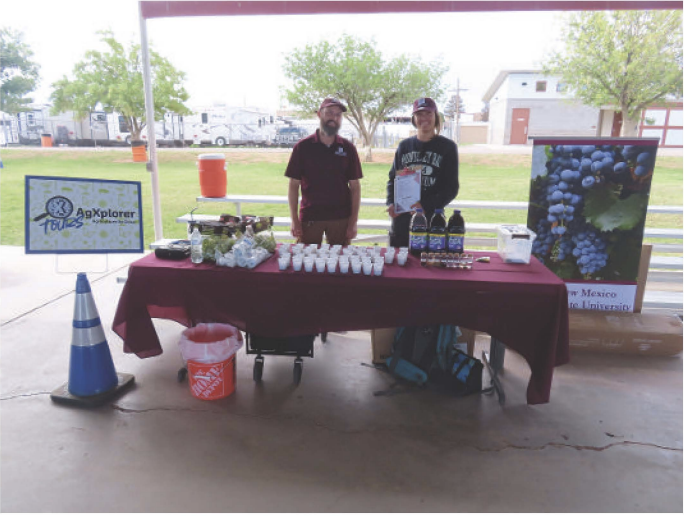
Looking Beyond Harvest: Planning What's Next for New Mexico Vineyards
As harvest winds down in parts of New Mexico, the program seeks grower input on upcoming extension activities. Proposed projects include a post-harvest listening session, soil surveys, pruning workshops, and the New Mexico Viticulture and Enology Conference.
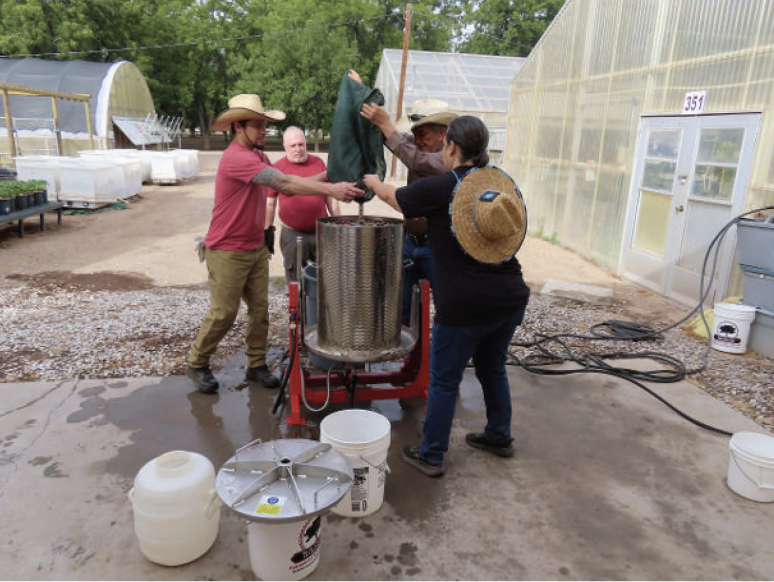
What the 2025 Harvest Revealed About Grape Quality
This review summarizes the 2025 grape sampling project and compares changes in sugar, acidity, pH, and yeast assimilable nitrogen. Regional case studies illustrate how grape ripening and harvest chemistry varied across New Mexico.
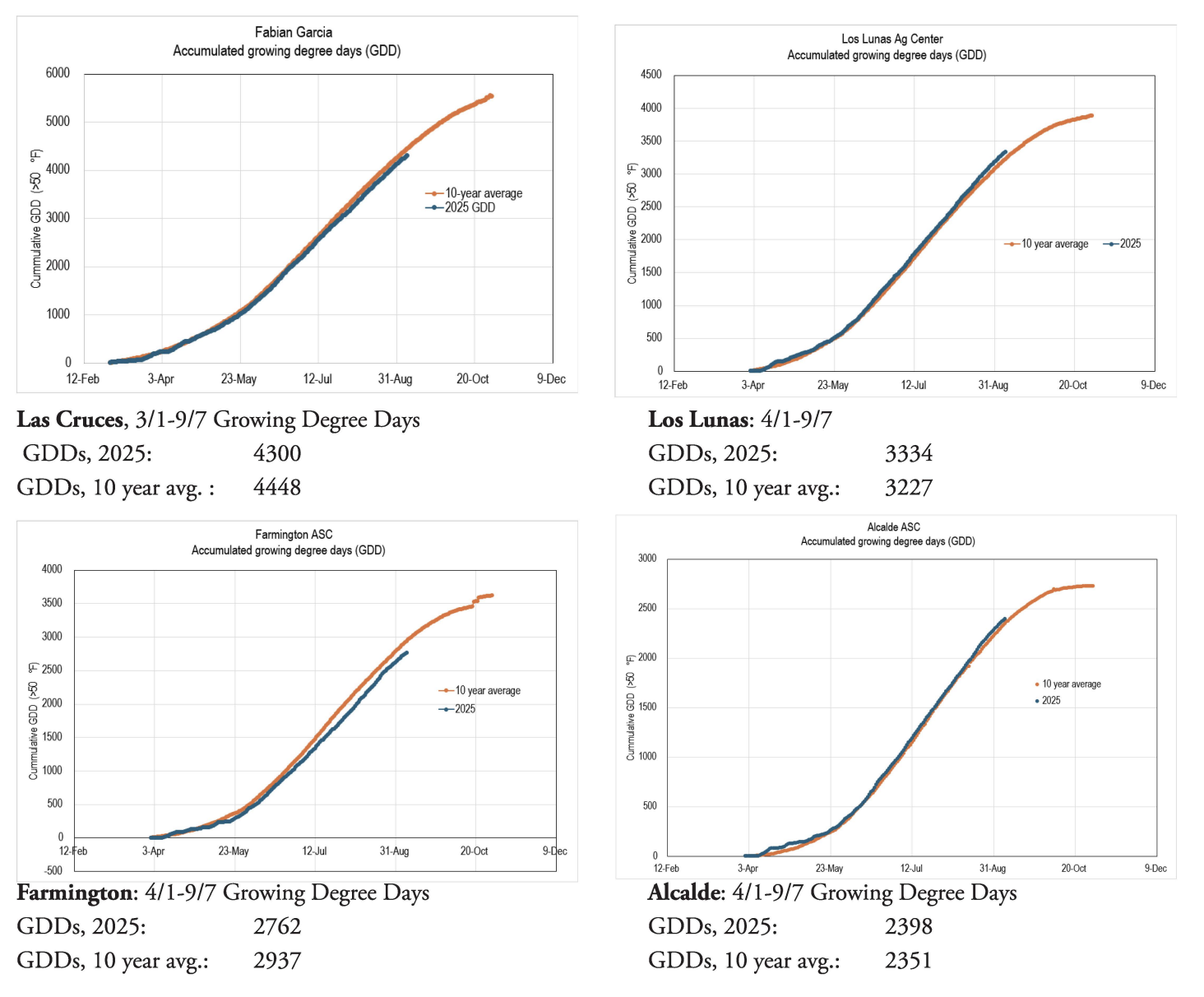
Who Visits New Mexico Wineries? Understanding Wine Consumers
NMSU researchers invite wineries and tasting rooms to participate in a short survey about customer demographics, visitor motivations, wine clubs, and marketing. The findings are intended to guide research that supports New Mexico’s wine industry.
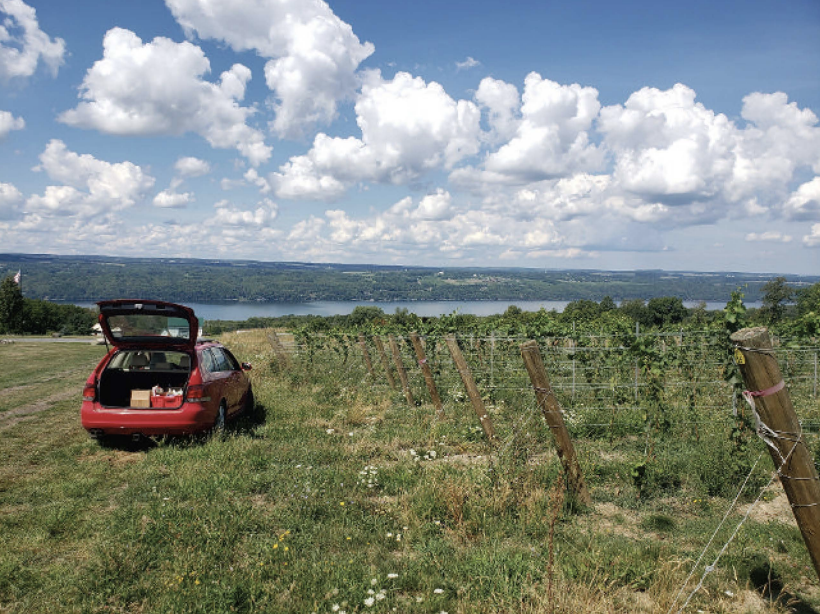
Approaching the Finish Line: Final Harvest Sampling Updates
The final full week of 2025 harvest sampling brings updates from Fabian Garcia, Corrales, and Los Lunas. The issue shares the latest grape chemistry measurements and looks toward broader participation from northern New Mexico in future seasons.
When Grapes Lose Weight: Tracking Ripening and Acidity
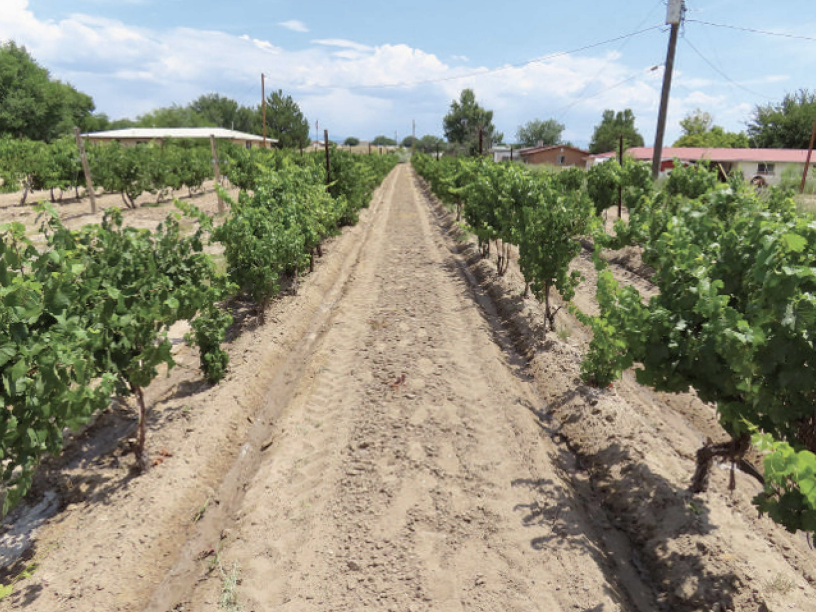
Harvest sampling reveals declining berry weights and acidity in more advanced growing regions, even as sugar accumulation slows. This issue shares weekly changes in Brix, pH, and titratable acidity to help growers evaluate harvest timing.
From Alcalde to the Vineyard: Cultivar Selection and Harvest Data
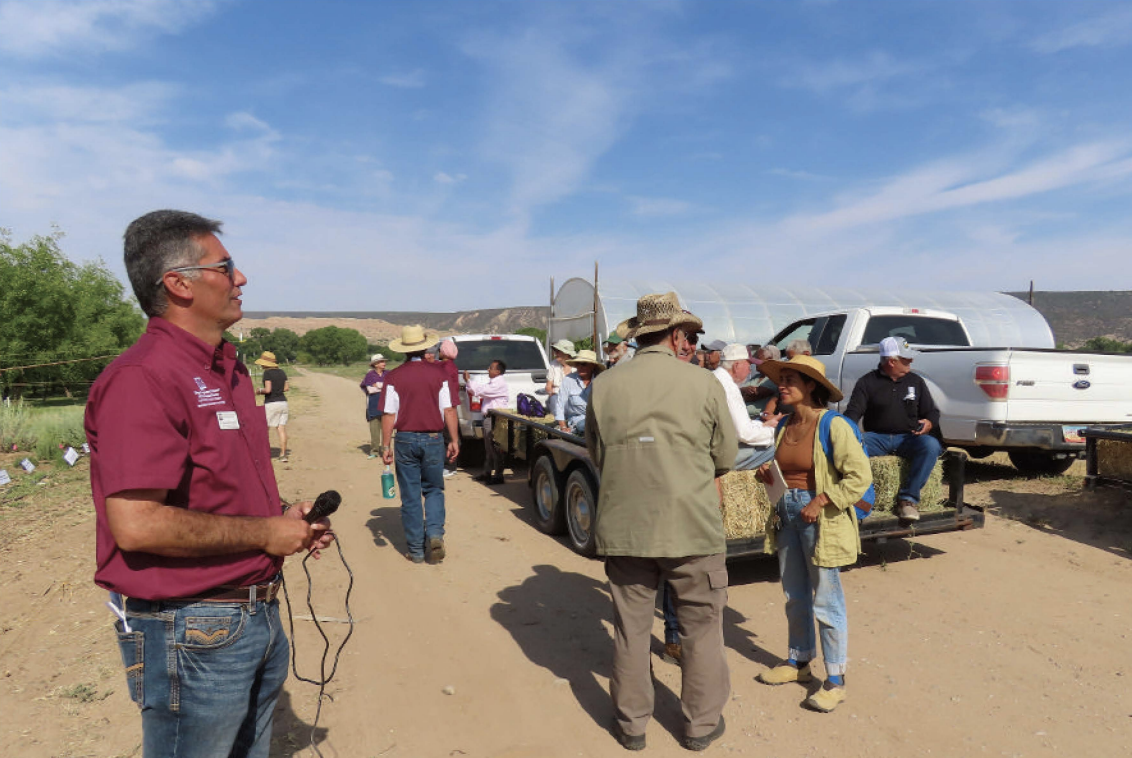
Highlights from the Alcalde Field Day include outreach on grape cultivar selection for northern New Mexico. The issue also shares August harvest sampling results for several cultivars and growing regions.
Getting Ready for Harvest: Key Vineyard Considerations
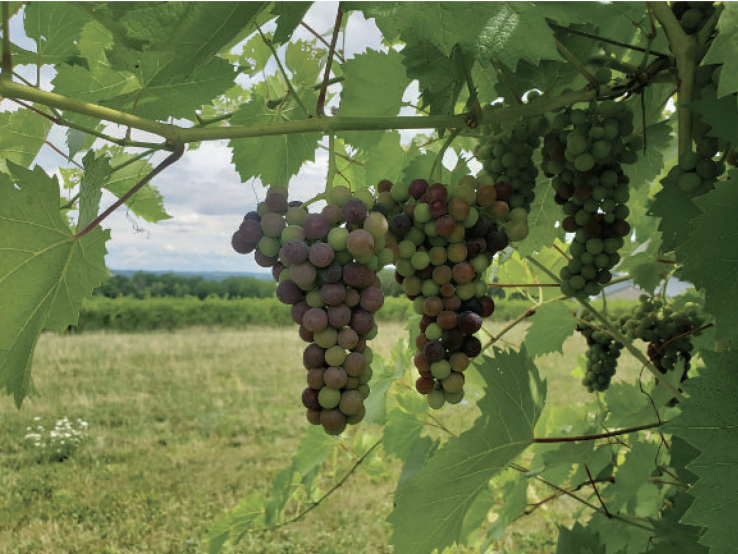
As veraison begins across southern New Mexico, this issue discusses harvest preparation, including crop estimates, bird protection, irrigation, and grape marketing. It also introduces a developing classifieds resource to connect grape growers and buyers.
Connecting New Mexico Growers: Corrales Vineyard Tour and Wine Analysis
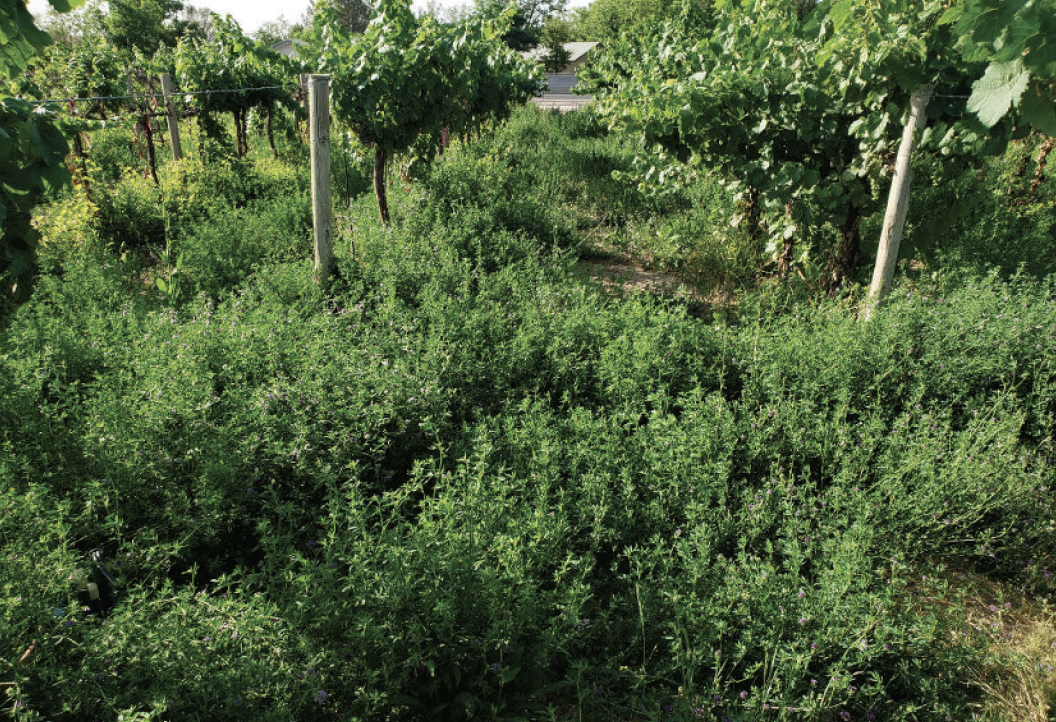
This newsletter highlights an upcoming vineyard tour in Corrales, New Mexico, designed to connect local grape growers and winemakers. It also shares results from NMSU's wine analysis program, including 75 wine samples from 10 wineries, with insights into sulfur dioxide levels, acidity, and wine quality.